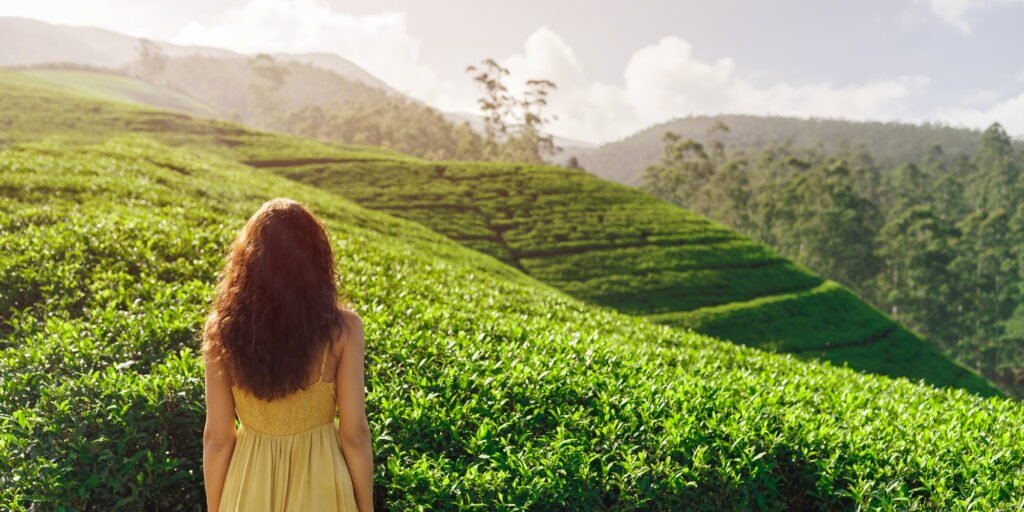
When you journey from the sweltering, palm-fringed coasts of Sri Lanka into the central highlands, it feels as though you have entered an entirely different country. The air grows crisp and cool, the winding roads become cloaked in rolling mist, and the landscape transforms into a dramatic canvas of jagged peaks, plunging waterfalls, and endless, undulating carpets of vibrant green. Welcome to Sri Lanka’s Tea Country, a region that produces some of the finest tea in the world and offers one of the most romantic and visually stunning travel experiences on the island.
Ceylon tea—named after the country’s former colonial moniker—is world-renowned for its distinct flavor, aroma, and quality. But the story of the Tea Country is about much more than just a beverage. It is a story of colonial ambition, incredible engineering, human endurance, and breathtaking natural beauty. Here is your ultimate guide to exploring the emerald hills of Sri Lanka.
The Roots of Ceylon Tea: A Brief History
Interestingly, tea is not native to Sri Lanka. The island’s original cash crop was coffee. However, in the late 19th century, a devastating fungal disease known as “coffee rust” wiped out the entire coffee industry, leaving British planters facing financial ruin. Enter a young Scottish planter named James Taylor.
In 1867, Taylor planted the first commercial tea estate at Loolecondera, near Kandy. The climate and altitude proved to be absolutely perfect for the crop. The success of Taylor’s estate sparked a massive agricultural revolution. The British cleared vast tracts of virgin forest across the highlands and imported hundreds of thousands of Tamil laborers from Southern India to work the steep fields. The railway network was quickly expanded into the mountains to transport the tea to the ports in Colombo. Within a few decades, Ceylon tea became a global phenomenon, and the landscape of the highlands was changed forever.
Key Regions of the Tea Country
The Tea Country is not a single town, but a vast mountainous region. The character of the tea (and the travel experience) changes depending on the altitude and location. Here are the key areas to explore:
1. Nuwara Eliya: The Highest Elevation
Sitting at nearly 2,000 meters above sea level, Nuwara Eliya is the epicenter of the tea industry. The tea grown here is considered the “champagne” of Ceylon tea, known for its light color and delicate, floral aroma. The town itself was built by the British as a hill station retreat to escape the lowland heat. Today, it still retains its colonial charm, affectionately earning the nickname “Little England.” It features Tudor-style buildings, a classic red brick post office, an immaculately manicured golf course, and the picturesque Lake Gregory.
2. Hatton and Dickoya: The Planter’s Heartland
Located in the central province, the Hatton-Dickoya region is defined by deep valleys and massive, historic tea estates like the Bogawantalawa Valley, often referred to as the “Golden Valley of Tea.” This area is less bustling than Nuwara Eliya and offers a more serene, immersive experience. It is also the starting point for pilgrims and hikers attempting to climb Adam’s Peak (Sri Pada), the sacred mountain that looms over the region.
3. Ella and Haputale: Dramatic Landscapes
Further south, the towns of Ella and Haputale offer a more dramatic, rugged landscape. The tea grown in the Uva province here has a distinct, pungent flavor due to the unique dry winds that hit the region. Ella has become a major backpacker hub, famous for the Nine Arch Bridge and Ella Rock. Haputale, perched precariously on a mountain ridge, offers some of the most staggering views in the country and is home to Lipton’s Seat, the famous viewpoint favored by tea magnate Sir Thomas Lipton.
What to Expect on a Tea Factory Tour
A visit to the Tea Country is incomplete without touring a working tea factory. As you step inside these massive, multi-story corrugated iron buildings, you are immediately hit by the sweet, heavy aroma of drying tea leaves. Many of these factories still use the original British machinery from the early 1900s, which operate with a deafening, rhythmic clatter.
A guided tour will walk you through the orthodox tea manufacturing process, which has remained largely unchanged for over a century:
- Plucking: The process begins in the fields, where only the top “two leaves and a bud” are hand-plucked to ensure the highest quality.
- Withering: The fresh leaves are spread out in long troughs and subjected to warm air for 12 to 18 hours to reduce their moisture content.
- Rolling: The withered leaves are rolled in heavy machinery to break their cells and release the natural juices and enzymes.
- Fermentation (Oxidation): The rolled leaves are laid out in a cool, humid room to oxidize, turning from green to a coppery brown. This step determines the strength and flavor of the tea.
- Firing: The oxidized leaves are passed through a hot air dryer to halt the fermentation process and preserve the tea.
- Grading: Finally, the tea is sifted and graded by particle size, from the finest Dust to Whole Leaf grades like Orange Pekoe (OP).
Tours invariably end in the tasting room, where you can sample different grades and purchase incredibly fresh tea directly from the source.
The Culture of the Tea Pluckers
While the landscapes and colonial history are fascinating, the true backbone of the tea industry is the laborers. The vast majority of tea pluckers are Tamil women, descendants of the laborers brought over from India by the British over a century ago. They are an iconic symbol of Sri Lanka, often seen navigating the steep, muddy slopes in brightly colored saris, with large woven baskets or sacks strapped to their heads.
Tea plucking is incredibly hard, manual labor. These women work long hours in all weather conditions, from blistering sun to freezing rain, and are required to meet a strict daily quota (usually around 18 to 20 kilograms of leaves) to earn their basic wage. When visiting the tea estates, it is important to acknowledge and respect their hard work. A smile, a respectful greeting, and asking for permission before taking their photograph goes a long way.
Staying in a Colonial Tea Bungalow
For the ultimate Tea Country experience, forgo the standard hotels and book a stay in a converted colonial tea planter’s bungalow. During the colonial era, the British managers lived in absolute luxury in massive bungalows set amidst the estates, complete with manicured gardens, fireplaces, and a fleet of staff.
Today, many of these historic bungalows have been lovingly restored and transformed into boutique hotels. Staying in one feels like stepping back in time. You can spend your days hiking through the estates, and your evenings reading a book by a crackling log fire, enjoying a traditional multi-course dinner, and, of course, being served bed tea by a butler first thing in the morning.
Conclusion
Sri Lanka’s Tea Country is a place of profound beauty and historical weight. It offers a cool, peaceful respite from the tropical heat and a chance to step back into a slower, more deliberate era. Whether you are an avid tea connoisseur tracing the origins of your morning brew, a hiker seeking panoramic mountain vistas, or a traveler looking for colonial romance, the emerald hills of Sri Lanka will captivate you and leave you longing to return.