Sri Lanka, the tear-drop shaped island in the Indian Ocean, is a traveler’s paradise that packs an astonishing variety of experiences into a relatively small geographical area. From pristine, palm-fringed beaches and misty, tea-covered hills to ancient historical ruins and wildlife-rich national parks, this vibrant country has something to offer every type of traveler. Whether you are an adventure seeker, a history buff, or someone looking to simply unwind by the sea, Sri Lanka’s diverse landscapes and rich cultural heritage promise an unforgettable journey.
Despite its modest size, planning a trip to Sri Lanka can be overwhelming simply because there is so much to see and do. The island is steeped in history, boasting eight UNESCO World Heritage Sites, and is recognized globally for its high biodiversity. To help you craft the perfect itinerary, we have compiled a comprehensive guide to the top 10 destinations you absolutely must visit in Sri Lanka.
1. Sigiriya Rock Fortress: The Lion Rock
No trip to Sri Lanka is complete without a visit to Sigiriya, an ancient rock fortress that rises dramatically out of the central plains. Often referred to by locals as the Eighth Wonder of the World, this massive column of rock stands nearly 200 meters high. Built by King Kasyapa in the 5th century, the fortress is a marvel of ancient engineering and urban planning.
The climb to the top involves ascending a series of steep staircases, but the effort is well rewarded. Along the way, you will encounter the famous Sigiriya Frescoes—ancient paintings of beautiful maidens—and the Mirror Wall, which was once polished so highly that the king could see his reflection in it. At the summit, you are treated to breathtaking 360-degree panoramic views of the surrounding jungle and water gardens that make up the lower palace complex.
2. Ella: The Emerald Heart of the Hill Country
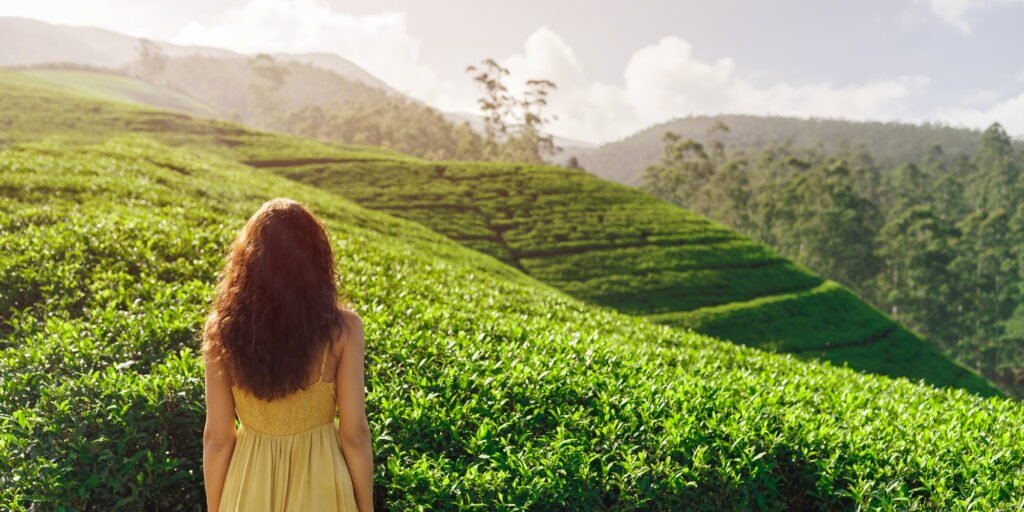
Nestled high in the mountainous region of Sri Lanka, Ella is a small, laid-back town that has become a favorite among backpackers and nature lovers. The journey to Ella is often cited as one of the most scenic train rides in the world, winding through lush tea plantations, deep valleys, and mist-shrouded peaks.
Once you arrive in Ella, the cool climate provides a refreshing contrast to the coastal heat. The area is famous for its excellent hiking trails. A trek up to Ella Rock offers spectacular views, while a hike to Little Adam’s Peak is a slightly easier alternative with equally rewarding scenery. Don’t miss the Nine Arch Bridge, a stunning piece of colonial-era railway architecture nestled among the tea fields, which looks particularly magical when the mist rolls in.
3. Kandy: The Cultural Capital
Surrounded by mountains and centered around a picturesque lake, Kandy is Sri Lanka’s cultural and spiritual heart. It was the last capital of the ancient kings’ era and remains a stronghold of Sinhalese culture and Buddhist traditions. The city’s crown jewel is the Temple of the Sacred Tooth Relic (Sri Dalada Maligawa), which houses what is believed to be a tooth of the Buddha himself.
Visiting Kandy during the Esala Perahera festival in July or August is a mesmerizing experience, featuring grand processions with traditional dancers, fire-breathers, and lavishly decorated elephants. Even outside of festival time, a stroll around Kandy Lake, a visit to the Royal Botanical Gardens in nearby Peradeniya, and watching a traditional Kandyan dance performance are absolute must-do activities.
4. Galle: Colonial Charm on the Coast
Located on the southwestern tip of the island, Galle is a captivating city where European colonial architecture blends seamlessly with South Asian traditions. The centerpiece of the city is the Galle Fort, a UNESCO World Heritage Site originally built by the Portuguese in the 16th century and later extensively fortified by the Dutch.
Walking through the narrow, cobblestone streets of the fort feels like stepping back in time. The area is completely enclosed by massive ramparts and is completely free of the typical chaotic traffic found in other Sri Lankan cities. Today, the old colonial buildings have been beautifully restored and transformed into boutique hotels, chic cafes, art galleries, and eclectic shops. Catching a sunset from the fort walls, looking out over the Indian Ocean, is a quintessential Galle experience.
5. Yala National Park: The Realm of the Leopard
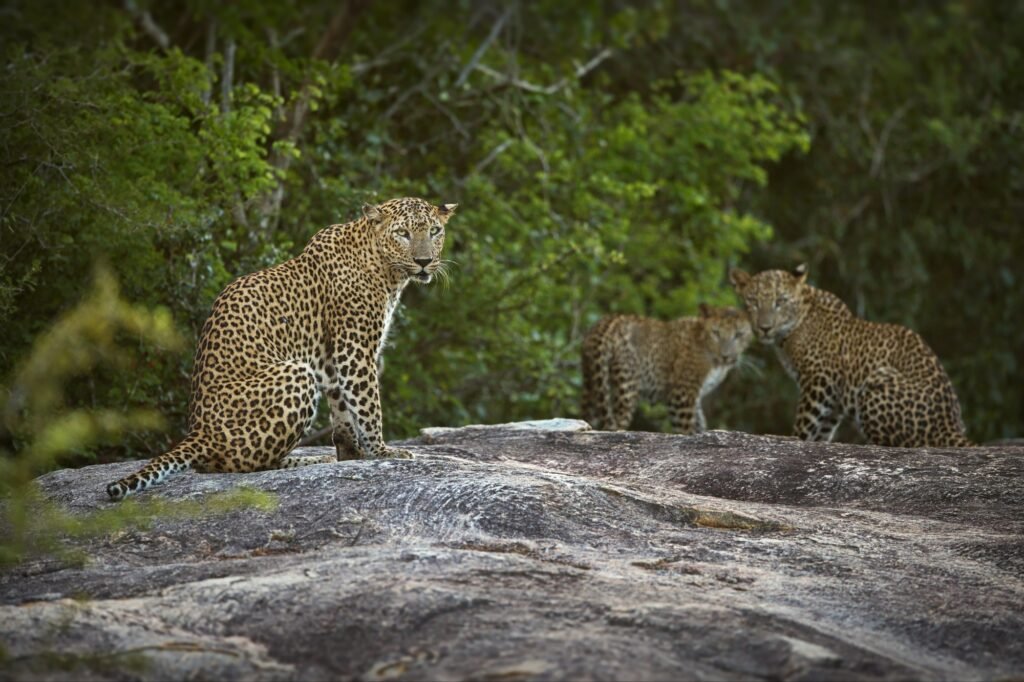
For wildlife enthusiasts, Yala National Park is undoubtedly the top destination in Sri Lanka. Situated in the southeast region of the country, Yala is Sri Lanka’s most famous and second-largest national park. It boasts a diverse range of ecosystems, from moist monsoon forests to freshwater and marine wetlands.
Yala is most famous for its high concentration of leopards; in fact, it is believed to have one of the highest leopard densities in the world, making it one of the best places globally to spot these elusive big cats in the wild. In addition to leopards, a safari in Yala offers the chance to see herds of elephants, sloth bears, water buffalo, crocodiles, and an incredible array of bird species. The rugged beauty of the park, where the jungle meets the ocean, provides a stunning backdrop for wildlife viewing.
6. Nuwara Eliya: Little England
Often referred to as “Little England,” Nuwara Eliya is the highest town in Sri Lanka, sitting at an altitude of nearly 2,000 meters. The town was established by the British in the 19th century as a hill resort to escape the heat of the lowlands, and its colonial legacy is still very much alive today.
The landscape here is characterized by rolling hills blanketed in vibrant green tea bushes, punctuated by the occasional cascading waterfall. The town itself is dotted with Tudor-style country houses, a post office in a classic red brick building, an 18-hole golf course, and even a racecourse. To truly experience Nuwara Eliya, take a guided tour of a working tea factory to learn about the process of making Ceylon tea, and enjoy a traditional high tea at one of the heritage hotels.
7. Mirissa: Whales and Waves
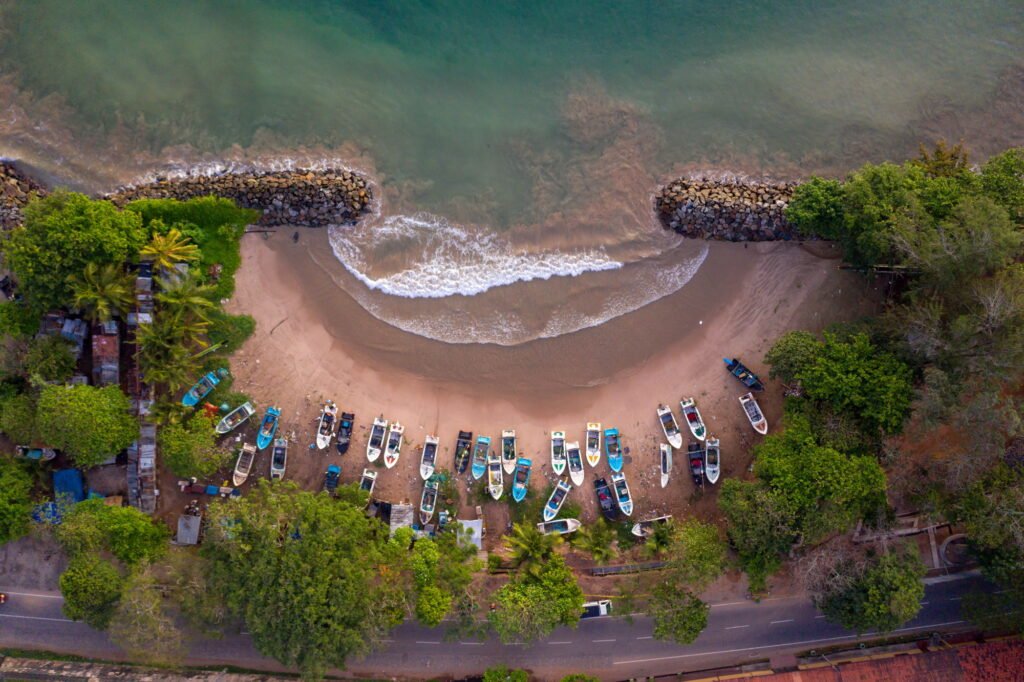
If your idea of a perfect holiday involves pristine beaches, excellent surf, and a laid-back vibe, Mirissa is the place for you. Located on the southern coast, Mirissa boasts a stunning crescent-shaped beach lined with palm trees and dotted with casual beach bars and seafood restaurants.
Beyond lounging on the sand and riding the waves, Mirissa is renowned as one of the best places in the world for whale watching. Between November and April, the nutrient-rich waters off the coast attract a variety of marine life, including sperm whales, dolphins, and the magnificent blue whale—the largest animal to have ever lived on Earth. Taking a boat tour at dawn to witness these gentle giants in their natural habitat is a truly humbling experience.
8. Anuradhapura: The Ancient City
For a deep dive into Sri Lanka’s ancient history, Anuradhapura is an essential stop. As the first ancient capital of Sri Lanka, founded in the 4th century BC, it served as the center of Theravada Buddhism for many centuries. Today, it stands as one of the most evocative and extensive archaeological sites in Asia.
The sprawling complex is home to towering brick stupas (dagobas), ancient pools, crumbling temples, and the Sri Maha Bodhi. This sacred fig tree is said to be grown from a cutting of the original Bodhi tree under which the Buddha attained enlightenment, making it the oldest historically authenticated tree in the world. Cycling through the ruins is a peaceful way to absorb the scale and spiritual significance of this ancient civilization.
9. Polonnaruwa: Medieval Magnificence
Following the decline of Anuradhapura, Polonnaruwa became the second ancient capital of Sri Lanka in the 11th century. While it is younger than Anuradhapura, the ruins at Polonnaruwa are much better preserved, giving visitors a clearer picture of what the city looked like in its prime.
The archaeological park is relatively compact, making it easy to explore by bicycle. Highlights include the Royal Palace complex, the intricately carved circular relic house (Vatadage), and the Gal Vihara—a collection of massive, exquisite Buddha statues carved directly into a single granite rock face. The craftsmanship and attention to detail seen in the stone carvings at Polonnaruwa are a testament to the artistic heights reached during this era.
10. Trincomalee: The Unspoiled East Coast
While the south and west coasts of Sri Lanka are heavily trafficked by tourists, the east coast offers a more rugged, off-the-beaten-path experience. Trincomalee, a major port city with a deep natural harbor, is the gateway to some of the most beautiful and pristine beaches on the island, such as Nilaveli and Uppuveli.
The east coast has a distinct cultural flavor, heavily influenced by Tamil and Hindu traditions. A visit to the Koneswaram Temple, a colorful Hindu temple perched on a cliff overlooking the ocean at Swami Rock, is a must. The waters off Trincomalee are incredibly clear, making it a fantastic destination for snorkeling and scuba diving, particularly around Pigeon Island National Park, where you can swim alongside reef sharks and sea turtles.
Practical Tips for Visiting Sri Lanka
Best Time to Visit
Sri Lanka has two distinct monsoon seasons, which means there is always a good time to visit depending on where you want to go. For the west and south coasts (like Galle and Mirissa) and the Hill Country (Ella and Nuwara Eliya), the best time is between December and March. For the east coast (Trincomalee), the ideal months are from April to September.
Getting Around
While public buses are the cheapest way to travel, they can be crowded and erratic. The train network is excellent for scenic routes, especially in the Hill Country. For maximum flexibility and comfort, hiring a private driver for a few days or your entire trip is a very popular and affordable option in Sri Lanka.
Visas and Currency
Most nationalities require an Electronic Travel Authorization (ETA) to enter Sri Lanka, which can easily be applied for online before your trip. The local currency is the Sri Lankan Rupee (LKR). While credit cards are widely accepted in hotels and larger restaurants, it is essential to carry cash for smaller purchases, tuk-tuk rides, and rural areas.
Conclusion
Sri Lanka is a destination that defies simple categorization. It is a place where you can watch elephants bathe in the morning, explore a centuries-old fortress in the afternoon, and watch the sunset over a pristine beach in the evening. By incorporating these top 10 destinations into your itinerary, you will experience the very best of what this magnificent island has to offer. Pack your bags, bring your sense of adventure, and prepare to fall in love with the magic of Sri Lanka.